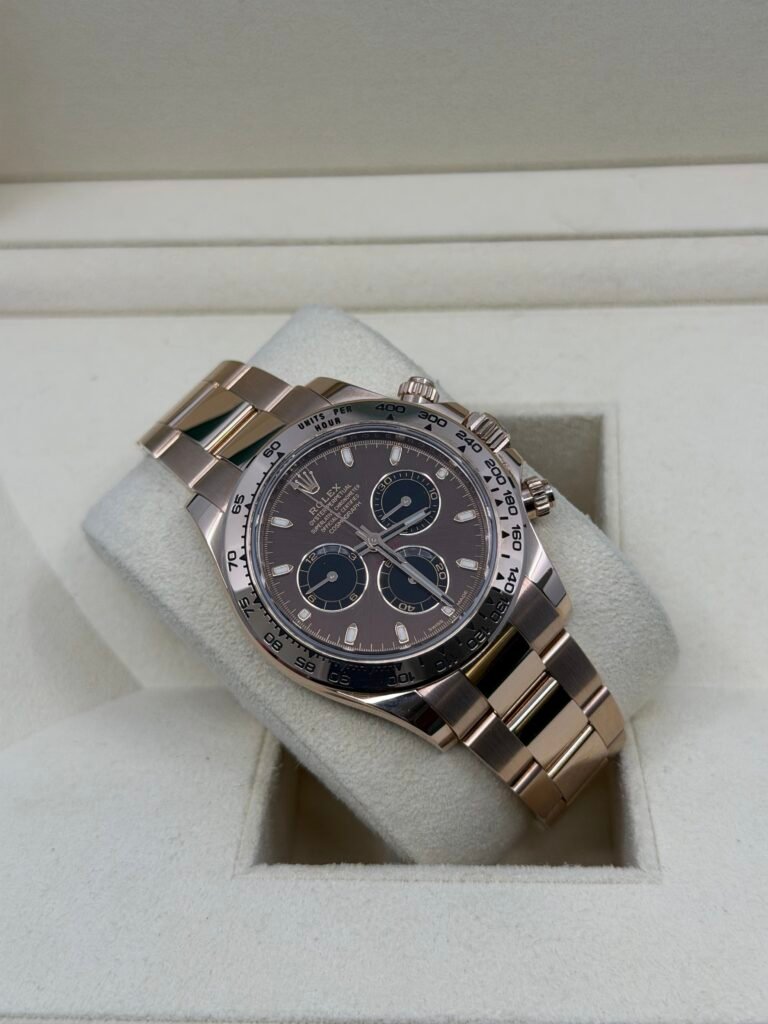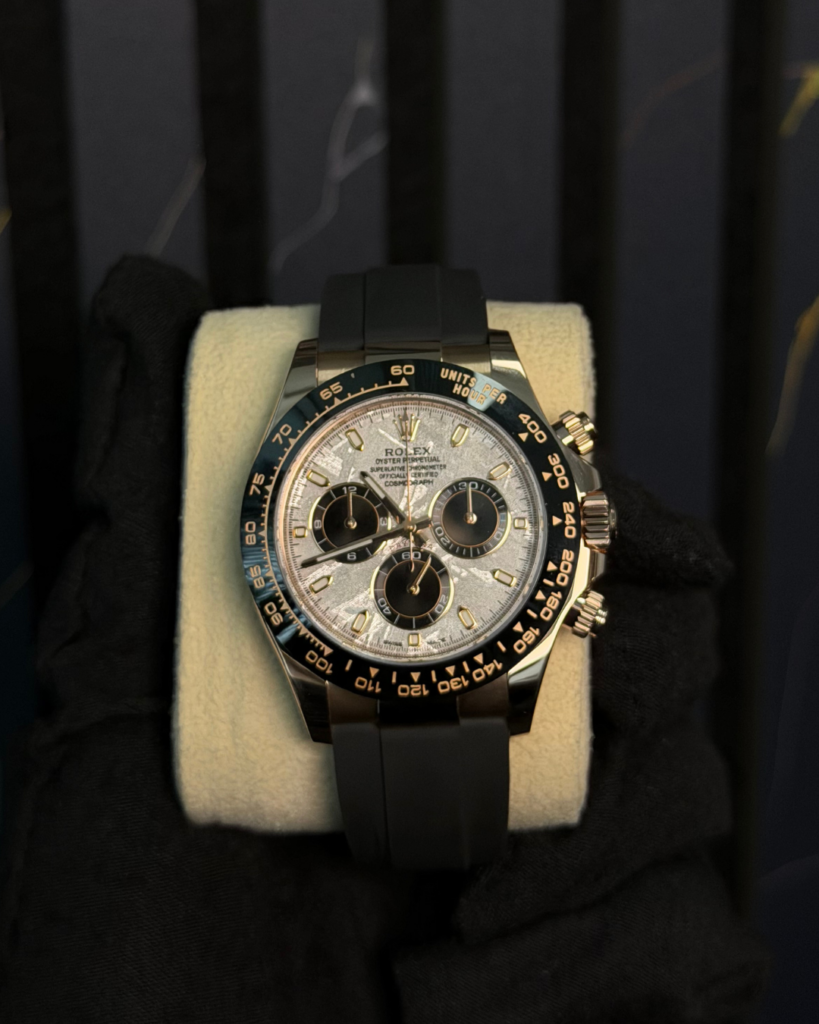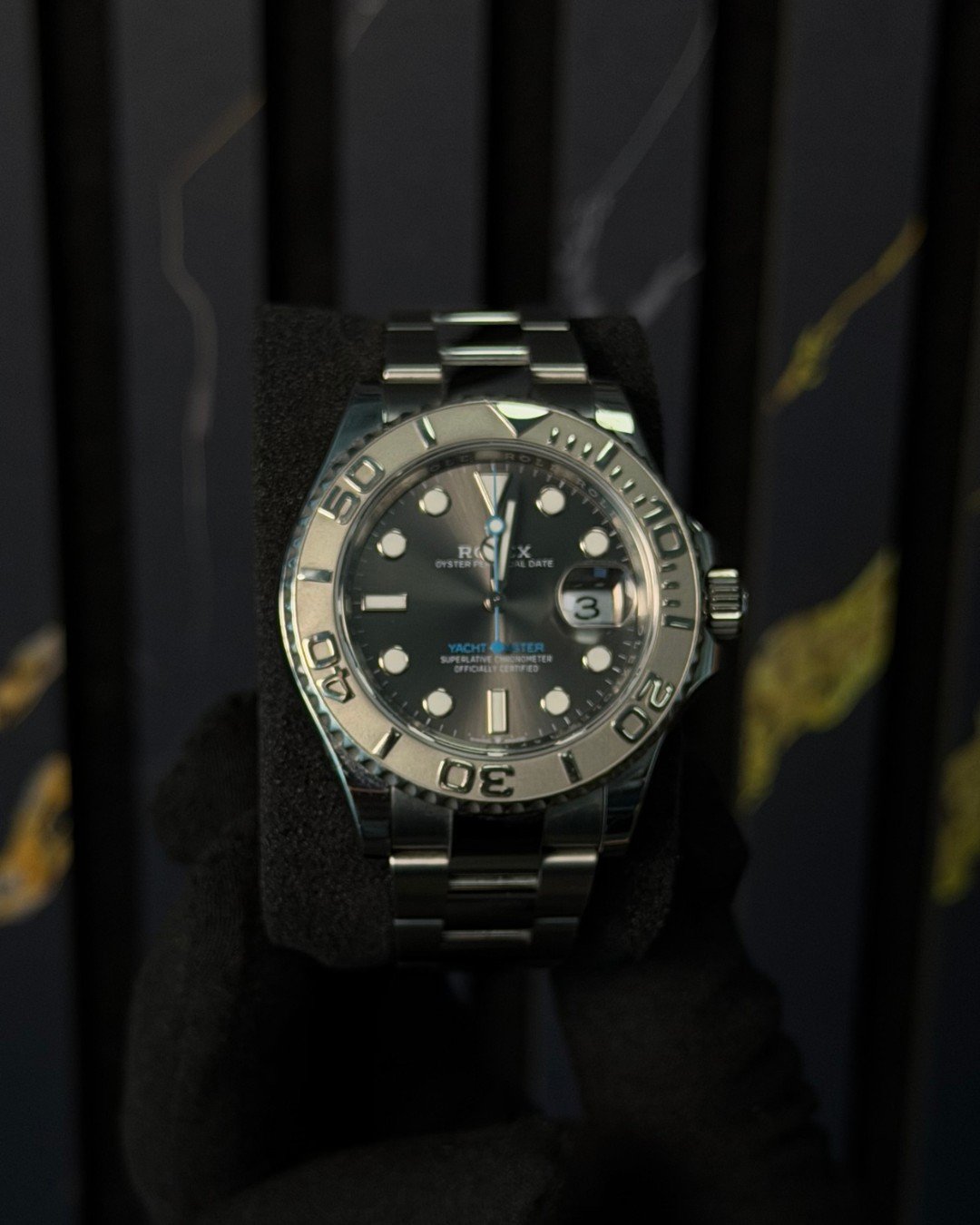
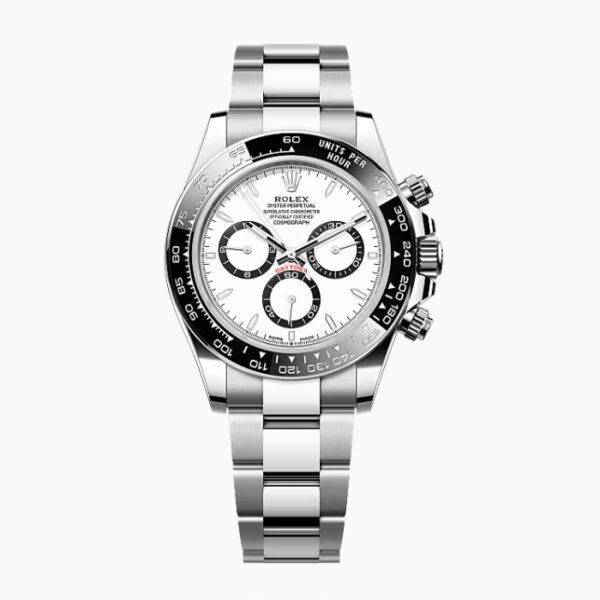
The short answer
Key takeaways
- Compare the same reference, bracelet, year range, condition and set; nickname-only comparisons produce poor conclusions.
- Asking prices are not completed-sale prices. Dealer preparation, warranty, tax position, geography and payment terms can also differ.
- Buy for use first. Secondary-market values are variable and no article or dealer can guarantee a future return.
What does “market price” actually mean?
For a pre-owned watch there is no single official secondary-market price. There are public dealer asking prices, marketplace asking prices, auction results, trade bids and private transactions. Each describes a different route to sale with different costs and protections.
A retail dealer price may include inspection, preparation, a warranty commitment, insured delivery and the dealer's responsibility to the buyer. A private or auction result can carry different fees and risk. Those numbers should inform one another, not be treated as interchangeable.
Why two apparently identical Rolex watches have different prices
| Factor | Questions to ask |
|---|---|
| Exact reference and configuration | Same generation, dial, bezel, metal and bracelet? |
| Year and warranty status | Card date, remaining manufacturer cover, production transition? |
| Condition | Unworn, lightly worn, refinished, damaged, recently serviced? |
| Set | Original card, box, links, invoices and service records present? |
| Seller and terms | Dealer or private, inspection, returns, warranty, delivery and payment method? |
| Availability | Physically in hand, consigned, incoming or merely advertised? |
These differences become especially important when the easy speculative demand has receded. Buyers can afford to reject compromised examples, which gives a strong watch a clearer premium over an average one.
Condition and originality are not one word
“Excellent” is not a measurement. Look for specific notes about case edges, lug symmetry, brushed and polished surfaces, bracelet play, clasp, ceramic chips, crystal damage, dial and hands. Ask whether the watch has been refinished and whether any parts were replaced during service.
Refinishing is not automatically unacceptable on a modern daily watch. Poor or repeated work can soften geometry and should be priced accordingly. Conversely, “unpolished” is difficult to prove without a reliable history and does not make dents or deep damage desirable. The useful description is evidence-based, not slogan-based.
Asking price is not transaction price
Online search results tend to preserve the most visible number: the ask. They do not reveal whether a watch sold, the accepted offer, a part exchange, fees, tax or a return. A very high listing can remain visible for months; a well-priced watch may disappear quickly and leave less public evidence.
That is why we avoid presenting a small sample of listings as a precise index. For a live purchase or sale, request a current quote for the exact watch and compare several genuine, in-stock examples. Our valuation guide sets out the evidence useful for a dealer bid.
A better method for buyers in 2026
- Fix the exact reference and acceptable bracelet or dial configurations.
- Decide whether full set, remaining warranty or a particular year is essential.
- Shortlist only watches that are in hand and can be inspected or clearly documented.
- Normalise the total cost: delivery, marketplace fees, import charges and payment method.
- Compare seller protections and evidence, not just the headline price.
- Choose the strongest watch within budget, leaving room for insurance and future servicing.
The method works across the GMT-Master II family and green Submariners compared in our Hulk versus Starbucks guide.
What sellers should prepare
Provide the reference, card date, set contents, link count, known service or refinishing history and direct photographs of wear. A transparent watch is easier to value and easier to place. Clean documentation can improve confidence even when the set is incomplete.
Do not anchor on the highest advertised example. A dealer must work backwards from a realistic sale price and include the cost and risk of resale. If you are trading into another watch, compare the final changeover using our part-exchange guide.
Questions from buyers
Frequently asked questions
Are pre-owned Rolex prices rising or falling in 2026?
There is no single answer across every reference and condition. Treat broad indices as context, then compare current, like-for-like examples. The price of an exceptional full-set watch can behave differently from an average example of the same reference.
Why are dealer Rolex prices higher than private listings?
A dealer price may include sourcing, inspection, preparation, a warranty obligation, insured delivery, tax and consumer-facing responsibilities. Compare the actual terms and condition before deciding that two prices describe the same offer.
Is now a good time to buy a Rolex?
It may be if you have chosen a reference you want to wear, can inspect the example and are comfortable with the total price. It should not depend on a guaranteed forecast; secondary-market values can move in either direction.